Casino play can offer very different kinds of excitement, from the quick decisions of a tower-building challenge to the familiar pace of cards, roulette, and slots. Comparing these formats helps players understand what drives each experience: timing, chance, strategy, or a blend of all three. A tower rush game can feel more hands-on than classic casino games, which often draw on established rules and recognizable rhythms. The right choice depends on personal preference, comfort with risk, and a clear plan for keeping play entertaining and within limits.
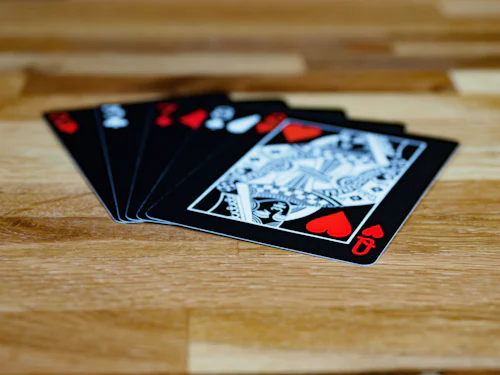
Casino thrills range from tower challenges to timeless tables
Casino games are not one single style of entertainment. Classic options such as blackjack, roulette, and slot games each create suspense in a distinct way. Blackjack asks players to make choices based on their hand and the dealer’s upcard; roulette centers on a ball and a wheel; slots use reels, symbols, and game-specific features. A tower rush game offers a different kind of focus, usually asking players to build or advance through a sequence while deciding when to continue and when to stop. Its appeal is often the visible, step-by-step tension.
That contrast does not make one format universally better. Classic games may suit people who enjoy recognizable rules, measured rounds, or the social atmosphere of a table. A tower-style title may appeal to someone looking for fast feedback and a more active sense of progression. In either case, the outcome is uncertain, and no format should be treated as a reliable way to earn money. Consider the rules, pace, and risk before playing, and treat casino activity as paid entertainment rather than a financial plan.
How to compare casino games before you play
A useful comparison begins with the experience you want, not a promise of winnings. Check the rules and play format for each title, then consider how quickly rounds move and what decisions you will need to make. The following steps can help you assess a tower challenge alongside traditional casino choices without confusing presentation with the underlying risk.
- Set a spending limit: Choose an amount you can afford to lose before opening a game, and do not raise it to recover losses.
- Read the rules: Review how a round works, what actions are available, and how payouts or outcomes are determined.
- Compare the pace: Decide whether you prefer quick, interactive turns or the more familiar sequence of a table or slot round.
- Check the stakes: Confirm the minimum and maximum wager, and select a level that fits your entertainment budget.
- Take breaks and review: Pause regularly, track your time, and stop when you reach the limit you set.
- Clear rules make game formats easier to compare.
- A budget decided in advance supports responsible play.
- Understanding the pace can help prevent rushed decisions.
- Breaks make it easier to keep entertainment in perspective.
Practical differences in pace, choice, and risk
In a tower-style casino game, the central decision may arrive repeatedly: continue to build or collect what is available. That simple choice can make each round feel immediate, but quick feedback can also encourage impulsive play. Look for the exact rules rather than relying on the theme or animation. Find out whether a round ends automatically at a certain point, whether a cash-out choice is available, and how the displayed multipliers or rewards are calculated. These details shape the experience, but they do not remove the possibility of losing a wager.
Classic casino games provide different kinds of structure. Roulette generally revolves around selecting an outcome before a spin, whereas blackjack includes decisions during a hand, subject to the rules of the table. Slot play is usually built around spinning reels and game features, with fewer choices during an individual round. The format affects how engaged a player may feel, but a sense of control is not the same as control over chance. Before staking money, check the game information and understand the risks associated with the particular title.
- Decision frequency: A tower challenge may prompt repeated stop-or-continue choices; other games vary in how often players act.
- Round structure: Check whether play is continuous, hand-based, spin-based, or divided into short stages.
- Risk information: Review betting limits, payout rules, and any published return or volatility details where available.
- Time awareness: Rapid rounds can pass quickly, so use reminders or session limits if needed.
These practical points can help distinguish a genuinely enjoyable format from one that only feels exciting in the moment. Comparing rules, pace, and stake size is more useful than judging a game by graphics or promotional language. If the rules are unclear, or the game encourages play beyond your limits, skip it. Choosing a slower format or taking a break is always a valid decision.
Benefits of choosing a casino format that fits
The main benefit of comparing formats is finding entertainment that matches your preferences and boundaries. A tower rush game may provide a compact, focused session for someone who enjoys visible progress and frequent decisions. Traditional casino games can offer a familiar framework, whether that means learning basic blackjack choices, following roulette outcomes, or exploring the themes and mechanics of slots. Each format can feel engaging for different reasons, and none guarantees a favorable result. Keeping expectations realistic is part of making an informed choice.
- Distinct styles: Move between interactive progression, card decisions, wheel outcomes, and reel-based play.
- Choice of pace: Select games with a rhythm that suits your attention and time limits.
- Clearer expectations: Reading rules and stakes before play helps avoid surprises.
- More deliberate sessions: Comparing options encourages players to choose intentionally rather than chasing a recent result.
These advantages matter only when play stays voluntary and controlled. Set a session duration as well as a spending cap, and avoid playing when stressed, tired, or under pressure. Casino games are designed for entertainment, not as a dependable source of income. If play stops feeling enjoyable or begins affecting finances, relationships, or daily responsibilities, step away and seek appropriate support.
Trust, fairness, and safer casino play
Before using an online casino, check whether it is licensed to operate in your location and whether the licensing information can be verified with the relevant regulator. Read the site’s terms, privacy information, payment conditions, and responsible-play tools before depositing. A legitimate operator should explain how account verification works, how to set limits, and how to contact customer support. Also review game-specific rules and any available information about how outcomes are generated. These checks cannot guarantee a positive result, but they can help you make a more informed decision about where and how you play.
Protect your account with a unique password and use available security features, such as two-factor authentication, where offered. Do not share login details or payment codes, and avoid accessing an account through suspicious messages or unfamiliar links. Use deposit, loss, and session limits if the casino provides them, and consider time-outs or self-exclusion when a break is needed. Age restrictions and local gambling laws apply, so confirm that you are legally eligible before playing. If you find yourself trying to win back losses or concealing gambling activity, stop and contact a qualified support service in your area.

Why choose a casino game with care
The best comparison is the one that reflects your own priorities. If you like frequent choices and a visible sense of progression, a tower-style game may offer a different thrill from familiar casino staples. If you prefer established rules or a more recognizable round structure, blackjack, roulette, or slots may be a better fit. Look beyond labels and presentation: understand the mechanics, verify the stakes, and decide how much time and money you are willing to spend before starting. No game can promise a win, and past results do not predict future outcomes.
Choose only licensed, age-appropriate casino entertainment and keep it within a firm budget. Take breaks, stop when your limit is reached, and never borrow or use essential funds to gamble. Comparing formats can make the experience clearer, but responsible boundaries matter more than the choice of game. If you are uncertain about the rules or feel pressured to continue, leave the game and return only if it remains a safe, enjoyable form of entertainment.